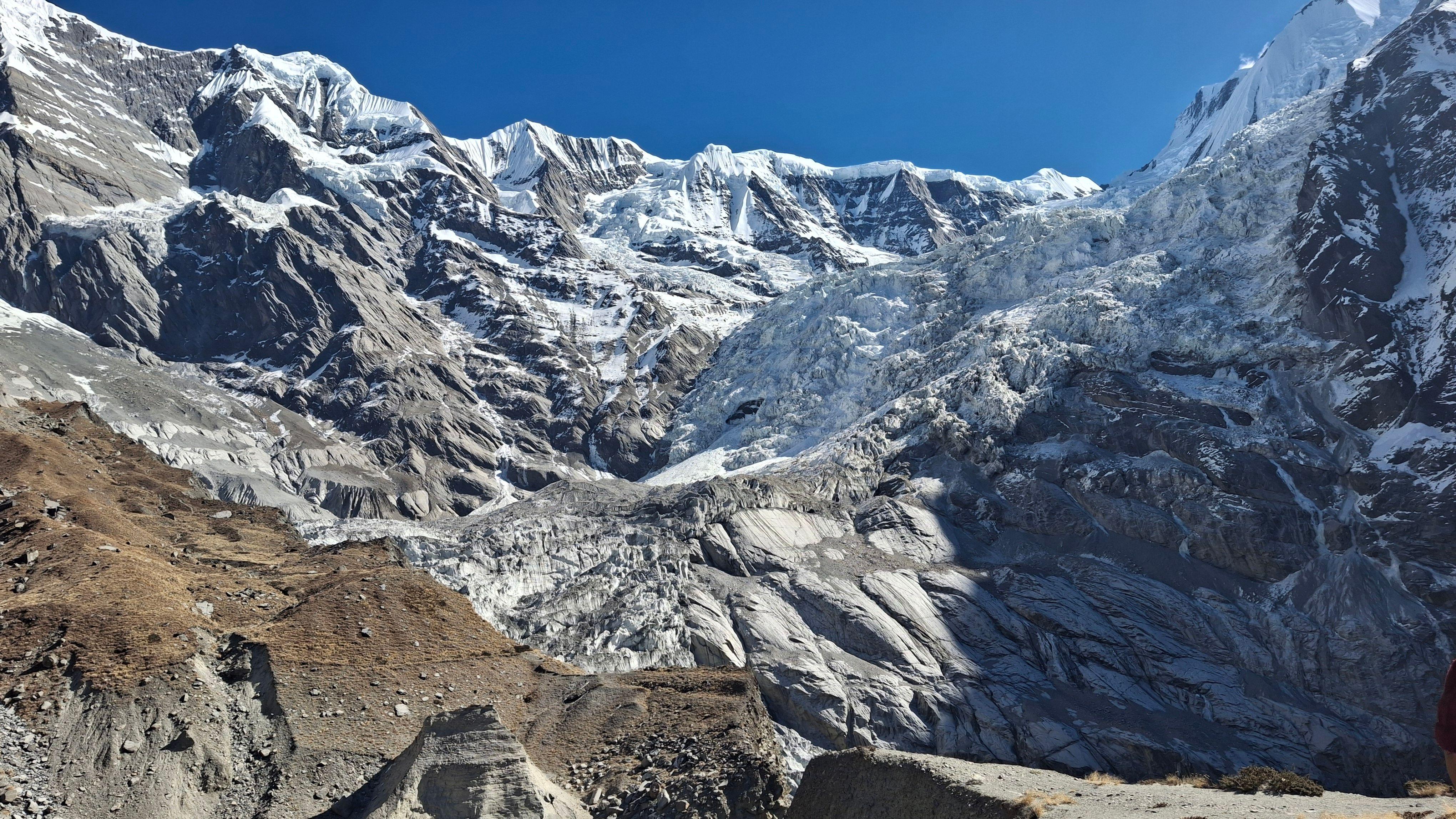
The Himalayas are the dream playground for trekkers: huge landscapes, remote villages, ancient trails, and high passes that push your limits in the best possible way. With the right planning, fitness, and respect for altitude, they’re surprisingly accessible, even if you’re not a mountaineer.
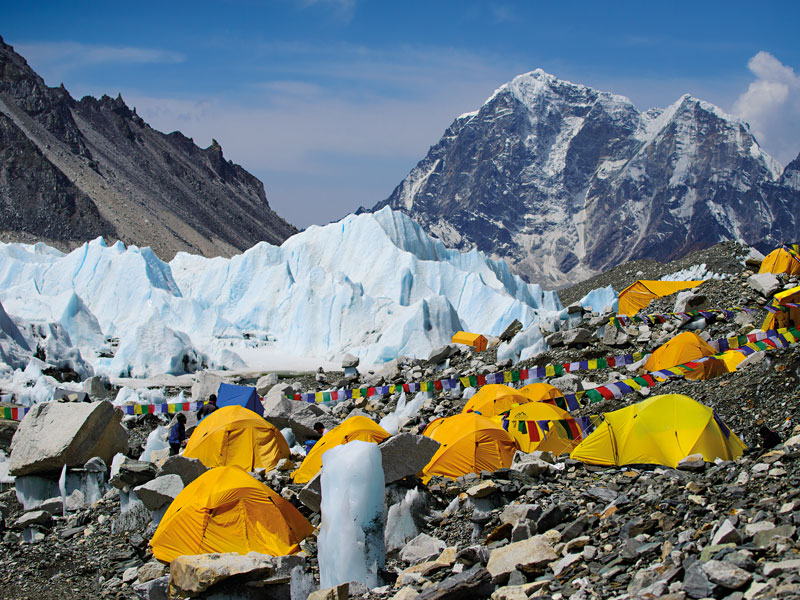
Why trek in the Himalayas?
Trekking here is about more than ticking off famous peaks; you walk through living cultures, monasteries, high‑altitude lakes, and yak pastures that still follow traditional rhythms. The range offers everything from easy valley walks with teahouses every night to multi‑week expeditions across glaciers and passes above 5,000 meters.
Because the Himalayas stretch across India and Nepal (and into Bhutan, Tibet, and Pakistan), you can choose treks that match your style: forested trails with rhododendrons, big glacier views, or stark high‑desert landscapes. The huge variety means there is always a “next level” once you outgrow beginner routes.
When to go: seasons that matter
In most of the Indian and Nepal Himalaya, the two classic trekking windows are spring (March–May) and autumn (September–November). These periods balance stable weather, moderate temperatures, and good visibility, which is why popular trails can feel busy then.
- Spring (mid‑March to May): Warmer days, longer daylight, rhododendron forests in bloom, but more afternoon clouds and some pre‑monsoon showers.
- Monsoon (June to early/mid‑September): Hot, humid, frequent rain, muddy leech‑y trails, and many big mountain views hidden in cloud—generally not ideal unless you pick rain‑shadow regions.
- Autumn (mid‑September to late November): Clear post‑monsoon skies, crisp air, and some of the best long‑range mountain views of the year—arguably the prime season.
- Winter (December to February): Quiet trails and snow conditions; lower‑altitude treks are still possible, but high passes often close or become technical.
If you’re a first‑timer, plan your main Himalayan trek for spring or autumn and keep a buffer day or two for weather delays.
Picking your region
Each Himalayan region has its own character and logistics:
- Nepal (Everest, Annapurna, Langtang, Manaslu): Huge choice of teahouse treks with well‑marked trails, regular lodges, and flying access to trailheads like Lukla or Pokhara.
- Indian Himalaya (Uttarakhand, Himachal, Kashmir, Ladakh): Mix of classic routes, offbeat passes, and alpine meadows; some treks are fully supported camping, others use village homestays or basic lodges.
- Offbeat high‑pass regions: Treks like Lamkhaga Pass or other remote passes sit on the border of states or regions and demand strong fitness, experienced guides, and careful weather watching.
Your choice depends on how independent you want to be, whether you like camping or lodges, and how remote you’re comfortable going on your first attempt.
Bucket‑list Himalayan treks (by level)
Here are example treks you can research in detail; the point is to show the type of adventure at each level.
The names and details vary, but the pattern is the same: start with beginner or classic teahouse treks to learn your body and gear, then move to moderate‑difficult and offbeat routes with a trusted operator or guide.
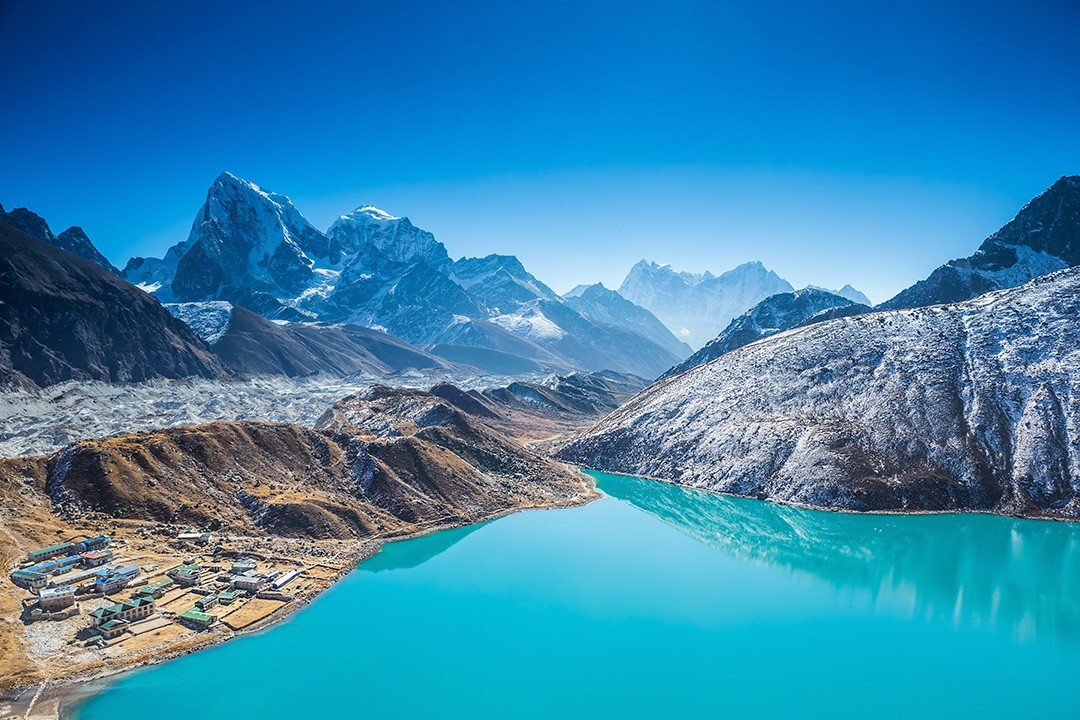
Fitness: how strong do you need to be?
If you can hike comfortably for several hours in the hills at 2,500–3,000 meters without chest pain, extreme breathlessness, or exhaustion, you can usually handle a typical Himalayan trek after some training. Most multi‑day treks involve 5–7 hours of walking per day with 400–800 meters of ascent, depending on the itinerary and your guide’s style.
Plan 6–10 weeks of preparation before you go: brisk walking or running, stair climbing with a pack, and at least one or two long weekend hikes to mimic trek days. If you have heart or lung conditions or are unsure about your limits, get a medical check and specific advice before booking.
Altitude, AMS, and staying safe
Above about 2,500–3,000 meters, the main risk is acute mountain sickness (AMS)—headache, nausea, poor sleep, loss of appetite, and unusual fatigue after gaining height. Symptoms often appear within 6–24 hours at a new altitude and get worse if you keep ascending too fast.
Key safety rules used by mountain medicine and tourism bodies are:
- Go up slowly: Once above around 2,500–3,000 meters, don’t increase your sleeping altitude by more than about 300–500 meters per night, and take a rest or acclimatization day after every 1,000 meters of gain.
- Climb high, sleep low: It’s fine to hike higher in the day and drop down to sleep lower as long as your net sleeping altitude increase stays within safe limits.
- Never ascend with AMS symptoms: If you or anyone in the group has AMS symptoms, stay put; if symptoms worsen or if there is confusion, staggering, or breathlessness at rest, descend at least 500–1,000 meters as quickly and safely as possible.
- Hydrate and eat well: Aim for roughly 3–4 liters of fluids daily, focusing on water and warm drinks, and eat enough carbohydrates and protein; avoid alcohol and smoking, which slow acclimatization.
In some situations, doctors and guidelines recommend preventive or backup use of medications like acetazolamide (Diamox) for people with a history of AMS or very rapid ascents, but this should always be decided with your own physician. The most important tools are still a conservative itinerary, a guide who understands altitude, and the discipline to descend when needed.
Gear: what you really need
Your exact packing list depends on season and route, but almost every Himalayan trekker needs:
- Footwear: Broken‑in trekking boots or sturdy shoes with good grip; lightweight camp sandals or slippers for evenings.
- Layers: Moisture‑wicking base layers, a warm mid‑layer (fleece or light down), a waterproof shell, and quick‑dry trekking pants and shirts, in spring and autumn, expect cold nights even if days are pleasant.
- Sleep system: Good sleeping bag rated for sub‑zero nights if you’re camping or staying in unheated lodges; some teahouses provide blankets, but not always enough.
- Accessories: Sun hat, warm beanie, gloves, sunglasses with UV protection, headlamp, personal first‑aid kit including altitude and GI meds prescribed by your doctor, water purification, and small dry bags for electronics.
- Backpack: Daypack for teahouse treks or a larger pack if you’re carrying your own camping gear; many trips use porters or pack animals so you only carry a day load.
Treat “light but prepared” as your mantra: you want to move comfortably for hours while still having enough warm and waterproof layers in your pack.
Permits, guides, and logistics
Most classic Himalayan regions require permits, national park or conservation fees, and in some areas a registered guide or trekking company. In Nepal, popular treks like Everest and Annapurna run through conservation areas and require specific entry permits and TIMS (Trekkers’ Information Management System) registration, which agencies usually arrange.
In India, high‑pass and border‑area treks often need inner‑line or special permits, and some routes can only be done with approved local operators. Using a reputable local guide or agency not only keeps you on the right side of regulations, it also improves safety, supports local jobs, and gives you cultural insight you’d miss on your own.
Trekking responsibly
The Himalayas are beautiful but fragile, and trekking pressure is rising in many valleys. You can keep your impact low by following a few simple principles:
- Pack out what you pack in: Use refillable bottles and avoid buying single‑use plastic where possible; carry your own trash out to larger towns.
- Stay on trails and respect local rules: Cutting switchbacks and wandering into fields or religious sites without permission erodes slopes and causes tension with communities.
- Choose eco‑minded operators and lodges: Favour companies that manage waste, treat staff fairly, and educate trekkers about altitude and safety rather than “racing” up the mountain.
- Be a good guest: Ask before photographing people, dress modestly near villages and monasteries, and learn basic local greetings—these small gestures go a long way.